

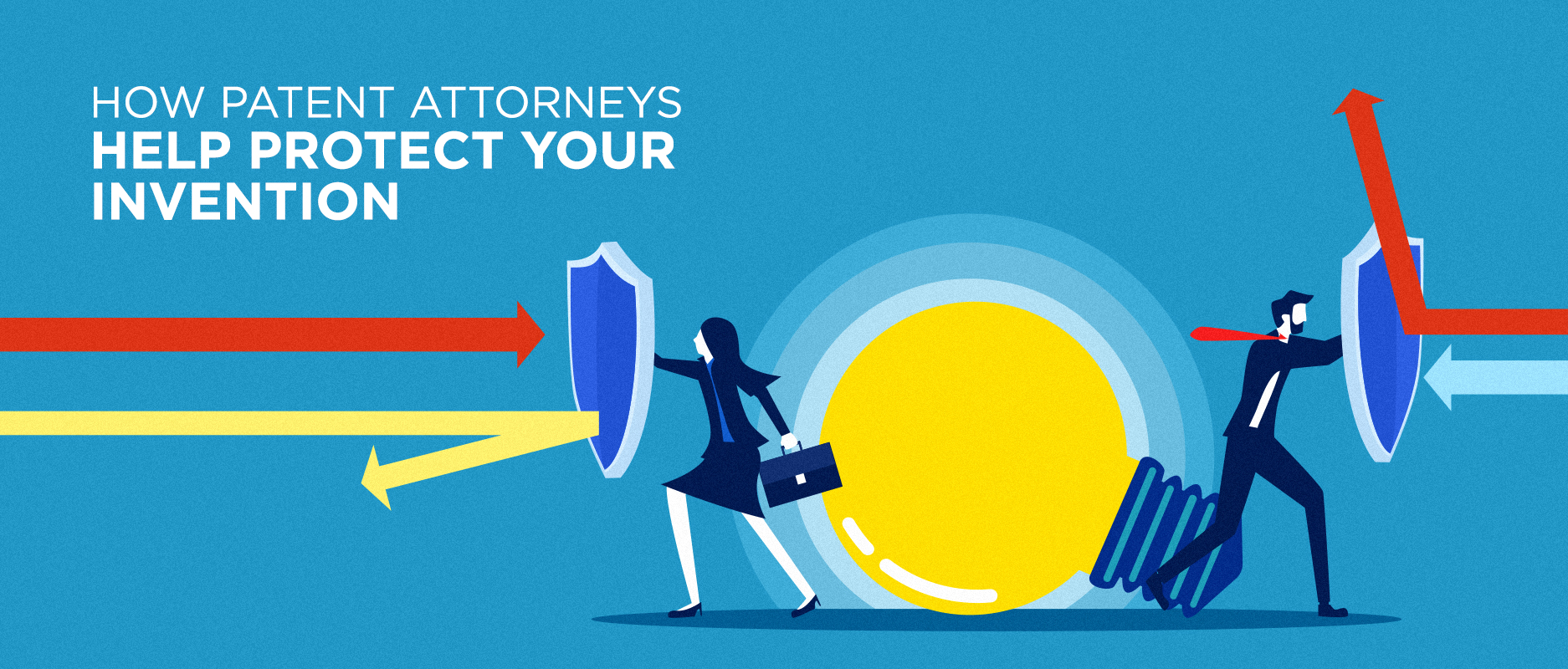
How Patent Attorneys Help Protect Your Invention
December 19, 2025 By Khyati DaveEvery inventor believes in the value of their idea. Whether it’s a breakthrough product, a new process, or an improvement on existing technology, your invention is the result of time, effort, and creativity. But many innovators underestimate one crucial step, protecting that idea legally. This is where Patent Attorneys play a vital role.
From filing errors to enforcement issues, mistakes in patent protection can cost inventors exclusive rights or expose them to patent infringement disputes. Whether you are filing your first patent or scaling an innovation-led business, here’s how a skilled patent law attorney helps protect your invention at every stage.
1. Understanding Whether Your Invention Is Patentable
One of the first ways Patent Attorneys add value is by helping determine if your invention is actually patentable. Not every idea qualifies. Patent laws require novelty, inventive step, and industrial applicability.
Many inventors rely on assumptions or online searches, but that’s risky. A patent law attorney conducts a structured patentability assessment, reviewing prior art and existing patents to evaluate whether your invention meets legal standards.
If this step is skipped, you may invest time and money in an application that never had a real chance of approval.
Tip: A professional patentability opinion helps you decide whether to proceed, modify, or pivot your invention strategy early.
2. Conducting a Detailed Prior Art Search
A common mistake inventors make is assuming their idea is unique without verifying existing patents. This can later trigger objections or expose you to patent infringement claims.
Experienced Patent Attorneys conduct comprehensive prior art searches across global patent databases, scientific literature, and existing filings. This goes far beyond a simple internet search.
If similar inventions already exist, your patent law attorney can help refine claims or reposition the invention to avoid conflicts.
Why it matters: Prior art analysis reduces rejection risk and strengthens your application against future challenges.
3. Drafting Strong and Enforceable Patent Claims
Patent claims are the most critical part of your patent. Poorly drafted claims can make your invention easy to copy or impossible to enforce.
This is where Patent Attorneys truly protect your interests. They draft claims that are broad enough to cover variations but precise enough to survive legal scrutiny.
A skilled patent law attorney understands how competitors may try to design around your invention and structures claims accordingly.
Weak claims often lead to costly patent infringement disputes where enforcement becomes difficult or ineffective.
4. Managing the Patent Filing Process Correctly
Patent filing involves technical documentation, legal formatting, timelines, and jurisdiction-specific requirements. Even small errors can delay or derail approval.
Patent Attorneys handle the entire filing process, from provisional applications to complete specifications - ensuring accuracy, compliance, and strategic coverage.
If objections or examination reports are issued, a patent law attorney prepares detailed responses backed by legal reasoning and technical clarity.
Advice: Filing without professional guidance increases the likelihood of rejection or narrow protection.
5. Responding to Patent Office Objections
Most patent applications face objections during examination. These may relate to novelty, inventive step, clarity, or prior art.
This stage is where professional representation matters most. Patent Attorneys analyze objections, draft precise responses, and argue your case effectively before patent examiners.
Poor responses can permanently limit your patent’s scope or lead to refusal, making enforcement against patent infringement nearly impossible later.
A patent law attorney ensures your responses preserve long-term commercial value.
6. Protecting Against Patent Infringement
Patent protection doesn’t end at registration. Monitoring and enforcing your rights is equally important.
Patent Attorneys help identify potential patent infringement, assess whether legal action is justified, and advise on enforcement strategies - ranging from cease-and-desist notices to litigation.
Without professional support, inventors often fail to act in time, weakening their rights or allowing infringement to continue unchecked.
Key benefit: Early legal intervention deters copycats and strengthens your market position.
7. Supporting Licensing and Commercialization
Patents are valuable business assets. Whether you plan to license, sell, or attract investors, legal clarity is essential.
Patent Attorneys assist in drafting licensing agreements, technology transfer documents, and commercialization contracts. A patent law attorney ensures your ownership, royalty terms, and usage rights are protected.
Poorly drafted agreements can lead to disputes or unintentional loss of control, even without obvious patent infringement.
8. Long-Term Patent Strategy and Portfolio Management
Patent protection is not a one-time activity. Renewals, continuations, geographic expansion, and portfolio management all require planning.
Patent Attorneys help inventors build long-term strategies aligned with business growth. They advise when to file additional patents, where to seek international protection, and how to maintain enforceability.
This proactive approach reduces legal risk and strengthens your defense against future patent infringement challenges.
Frequently Asked Questions (FAQs)
Q1: Can I file a patent without Patent Attorneys?
Yes, but it is risky. Patent law is technical and procedural. Without Patent Attorneys, you may draft weak claims, miss deadlines, or face rejection. Professional guidance improves approval chances and enforceability.
Q2: What does a patent law attorney do differently from a general lawyer?
A patent law attorney combines legal expertise with technical understanding. They specialize in patent drafting, prosecution, and patent infringement matters, areas general lawyers may not handle effectively.
Q3: How do Patent Attorneys help in patent infringement cases?
They assess infringement, collect technical evidence, draft legal notices, negotiate settlements, and represent clients in litigation if needed. Their role is critical in enforcing patent rights.
Q4: Is patent infringement always intentional?
No. Many infringement cases arise unknowingly. Patent Attorneys help determine whether infringement exists and advise on corrective or defensive action.
Q5: When should I consult a patent law attorney?
Ideally, before public disclosure of your invention. Early consultation helps avoid filing mistakes, strengthens protection, and reduces infringement risks later.
On a Concluding Note…
Protecting an invention is not just about filing paperwork - it’s about securing long-term control, commercial value, and legal strength. From evaluating patentability to defending against patent infringement, Patent Attorneys act as strategic partners throughout the innovation journey.
Whether you are an individual inventor or a growing business, working with a qualified patent law attorney ensures your ideas are protected properly, enforced effectively, and positioned for success.
A thoughtful, informed approach to patent protection today can prevent costly disputes and lost opportunities tomorrow.